Scroll
↓
One Nevada PI case, walked from intake through trial. At each phase: what AI can actually do in a working lawyer's hands, what it still can't, and what happens when a firm confuses the two. Heppner (federal court, New York — Feb. 2026) and the Sullivan & Cromwell apology letter (April 2026) are used illustratively — to show what breaks when lawyers trust AI past its limits, guardrails and all.
Where it Works, where it Breaks, and what a working case file reveals about the limits.
The spine of the proposed hour is a single Nevada personal injury case, walked from intake through trial. At each phase, the same two questions: where AI genuinely belongs in the workflow, and where its limits stop the work. Heppner and the Sullivan & Cromwell letter appear as illustrations — what breaks when a lawyer relies on AI past its limits, even with guardrails in place. Three live demos land at the exact stages a practicing plaintiffs' lawyer would actually reach for a tool.
Three writing samples on screen. The room votes by show of hands: human lawyer, or AI? Results revealed live. The fact that experienced lawyers often can't tell the difference sets up the whole hour — if AI output looks indistinguishable from human work, the only remaining defense is knowing exactly what it can and can't do.
Phase one of the case: the client call, the records request, the early medical chronology. Where AI actually helps at intake — and where it breaks attorney-client privilege if a lawyer doesn't know the limit. Heppner (federal court, New York — Feb. 2026) appears here as an illustration of exactly that failure mode, not as the subject of the segment. The live demo shows one workaround: a medical chronology produced on a Mac Studio on stage, with the WiFi physically off.
Phase two: investigating a potential defendant before the complaint is drafted — corporate history, prior lawsuits, regulatory record. Where AI meaningfully compresses the work, and where its output still needs human verification before anyone relies on it. Live demo of an AI tool investigating a real publicly-traded company in about seven minutes — a first draft the paralegal verifies, deepens, and builds on, not a finished product.
Phase three: written discovery and early motions. Where AI drafts save real time, and where the guardrails still don't prevent a fluent, authoritative brief full of citations to cases that don't exist. Sullivan & Cromwell's April 2026 apology letter serves as the illustration of that specific limit. The live demo reproduces the failure on stage, with every fabricated citation searched in front of the room.
Phase four: mediation, trial prep, jury presentation. The phase where AI is most tempting and most dangerous — and where the limits are most obvious to a trial lawyer who's actually done the work. A candid accounting of where it still helps (timeline assembly, exhibit organization, deposition prep support) and where it has no business being (voir dire, cross, the closing).
Five concrete actions every Nevada plaintiffs' firm can take the next business day — grounded in the capabilities and the limits the hour has just walked through. Printed one-page handout distributed to every attendee as they leave.
The runsheet above places each demo at the phase of the case it belongs to. Each one exists because it makes a specific point about AI's capabilities or its limits that only lands when the tool is running live, with the audience watching — a point that flattens out when described secondhand on any slide.
Heppner illustrates what happens when a lawyer doesn't know the limit on where client data travels. This demo makes the workaround tangible: a Mac Studio on stage with WiFi physically off. The room sees the cable, sees the WiFi indicator dark, and sees the AI output appear anyway. On a slide that's a diagram; live, it's a fact the audience can't unsee.
Sullivan & Cromwell's April 2026 letter is the illustration of this limit; the demo is the mechanism. The room watches an AI draft a fluent, authoritative brief — and then watches every single citation fail to turn up in the live database. That's the limit guardrails haven't solved. Described secondhand it stays academic; watched live, it shifts how a firm thinks about AI drafting.
Seven minutes of AI output frees up two days of paralegal time — time that gets redirected to the judgment work AI still can't do: verification, sourcing, follow-up, calls. The before/after is easy to assert on a slide and hard to actually internalize until the room watches the seven minutes happen in real time.
The vendor demonstrations that follow the hour will walk attendees through what each product can do. The proposed hour is about what a Nevada plaintiffs' lawyer has to know going in — at each phase of a real case file, where AI fits into the workflow, where it still doesn't, and what happens when a firm confuses the two.
The hour is structured as a single Nevada personal injury case walked phase by phase — intake, early investigation, discovery and drafting, mediation and trial prep, jury presentation. At each phase, the same two questions: what can AI actually do here, and what can't it? Nothing abstract. Every tool on stage is running on hardware the presenter uses day-to-day.
Most AI CLEs show what the tools can do. This hour spends equal time on where they stop being useful and where they become dangerous — privilege exposure, fabricated authority, the judgment work that can't be delegated. Heppner and the Sullivan & Cromwell letter appear illustratively, to dramatize what breaks when a lawyer relies on AI past its limits — even with guardrails in place.
Designed for an audience of practicing trial lawyers and their staff: an interactive audience opener, three live technical demos the presenter controls in the room, and a printed one-page Monday-morning checklist for every attendee. Attendees leave with something they can actually use.
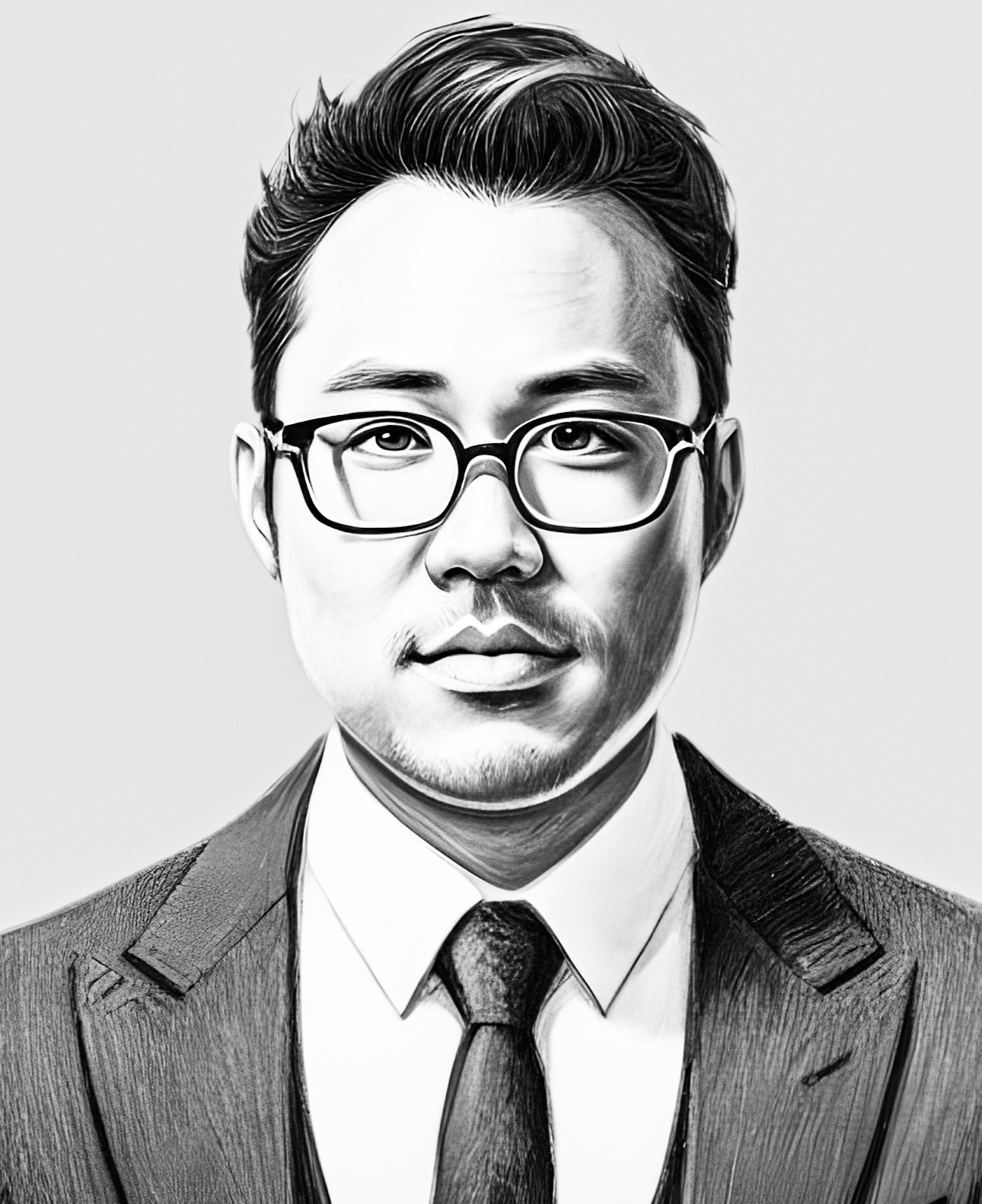

Richard represents government entities and individuals pursuing claims against corporate defendants. He has helped secure hundreds of millions of dollars in settlements for thousands of victims and obtained significant relief in consumer protection matters involving major technology and social media platforms.
This page is a starting point, not a finished product. Happy to refine the runsheet, swap stories, adjust the demo mix, or tighten the scope — whatever makes the concept actually useful to NJA's 2026 program.
Schedule a conversation →